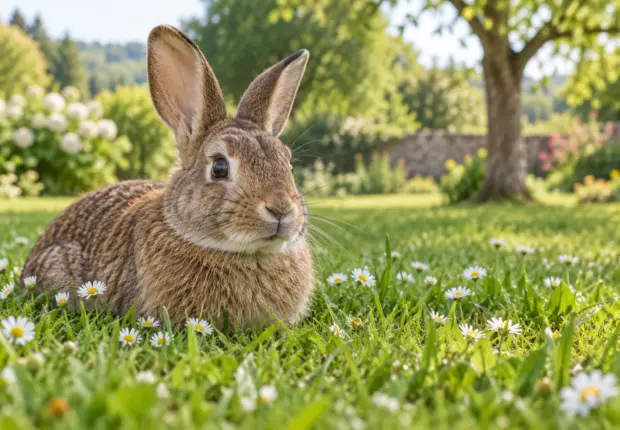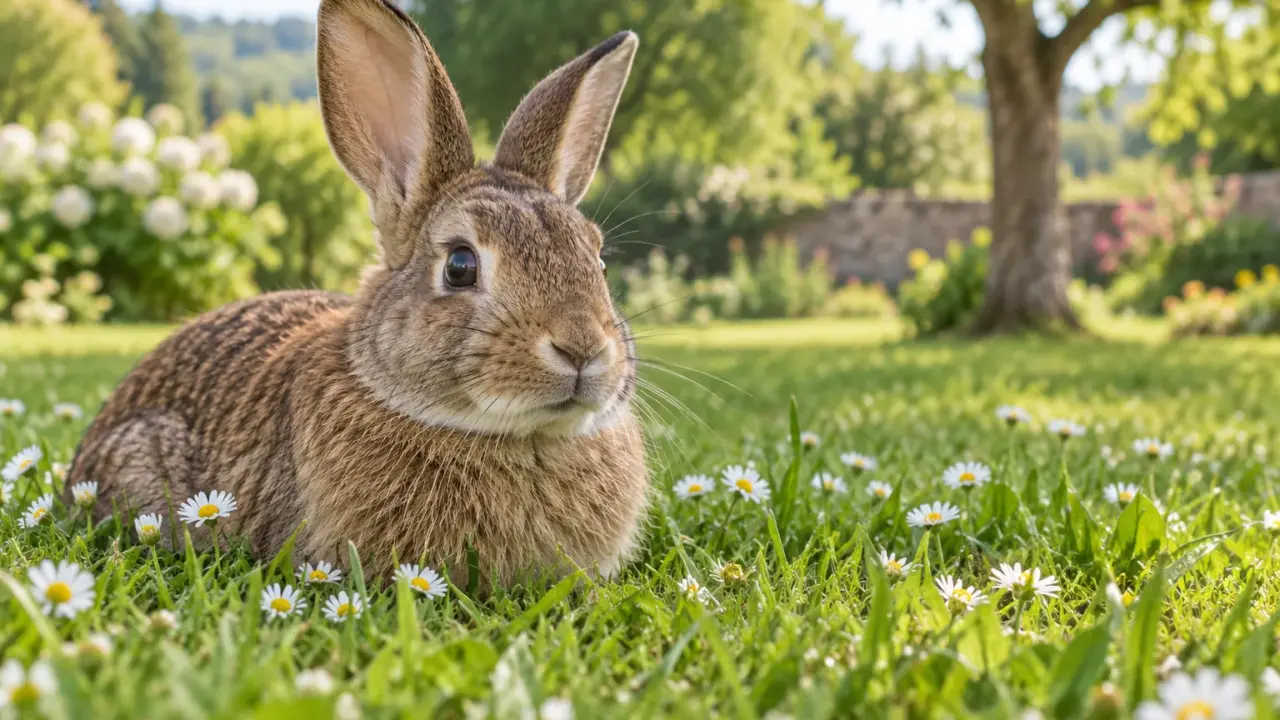
A green lawn is not automatically a safe rabbit space. Before planning access, review the whole arrangement: boundaries, surfaces, plants, shelter, weather and how the rabbits will be supervised.
Check the enclosure carefully
The RSPCA’s housing guidance covers a secure environment with room for normal movement and protection from hazards. Check for gaps, weak fixings and areas where an animal could escape or a predator could gain access.
A quick glance from the house may not reveal a loose edge or a newly dug gap. Inspect the actual space before use and after anything has been moved or damaged.
Identify what can be reached
Review plants and ground treatments with reliable rabbit-specific guidance. Do not assume a plant is safe because it is common or because another animal eats it. Keep products, tools and discarded materials out of reach.
Check whether neighbouring plants can drop leaves or other material into the area. Record uncertain items and resolve the questions before access is allowed.
Plan for changing conditions
- Is the space secure on every side?
- Are plants and surfaces appropriate?
- Are shelter and weather conditions suitable?
- Who is actively supervising?
- What happens if the conditions change?
Ask a rabbit-experienced veterinarian about transitions between indoor and outdoor environments, especially where temperature or health needs are a concern. Do not make an abrupt change simply because the weather looks pleasant.
If you cannot make a space reliably suitable, use a safer established arrangement while obtaining advice. An outdoor session is optional; a secure environment and consistent care are the priorities.