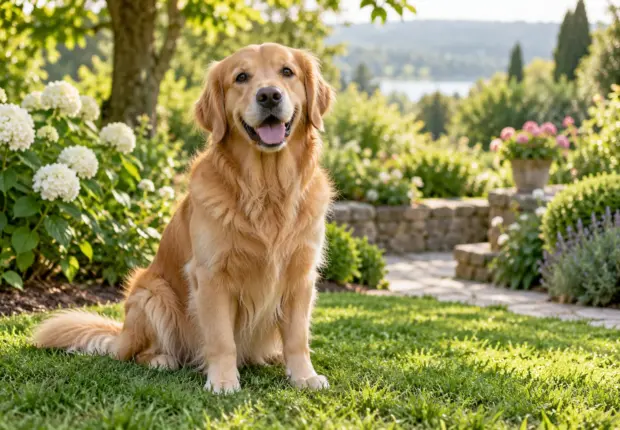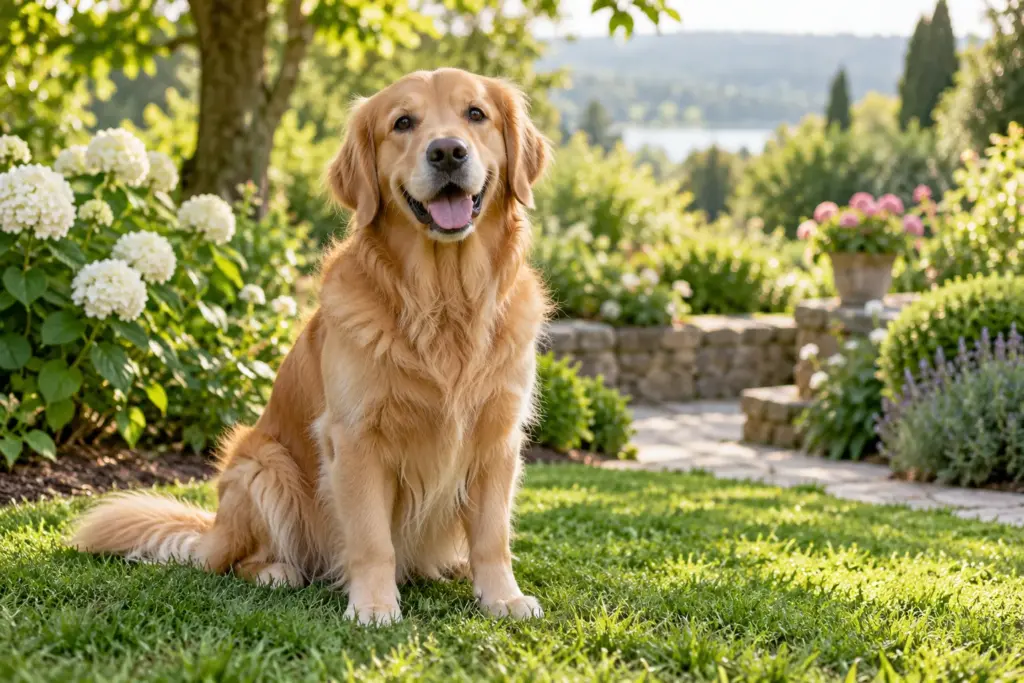
Grooming preparation starts before a brush touches the coat. A suitable workspace and a realistic plan can make it easier to notice discomfort and stop when needed. Different coats and individual dogs require different approaches.
Choose the task and tools
Decide whether you are doing a brief coat check or a brushing session. Ask your veterinarian or a qualified groomer which tools are appropriate for your dog’s coat and condition. Do not assume that a tool suitable for one dog is suitable for another.
Inspect handles and surfaces for damage. Put only the equipment you need within reach, and keep scissors or other sharp items safely stored unless you are trained to use them.
Make the setting comfortable
Use a stable, non-slip area with enough light to see what you are doing. Avoid balancing the dog on an improvised raised surface. Have another competent person help only if this can be done calmly and safely.
The ASPCA recommends regular brushing as part of general dog care. Keep your own session within the dog’s tolerance; frequency and technique should suit the coat.
Know when to stop
Do not pull through painful tangles or keep going while the dog is struggling. Ask a professional about mats, skin problems or unfamiliar changes. Grooming is not an opportunity to diagnose or treat a skin condition yourself.
- Choose a suitable tool.
- Keep the surface secure.
- Work gently and watch the response.
- Stop and seek help for painful or difficult areas.
Afterwards, clean the equipment and note any questions for the next appointment. A short, manageable session is more useful than pushing to finish every task in one sitting.