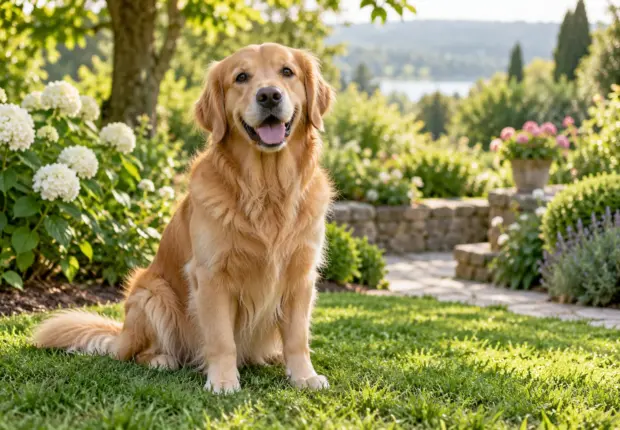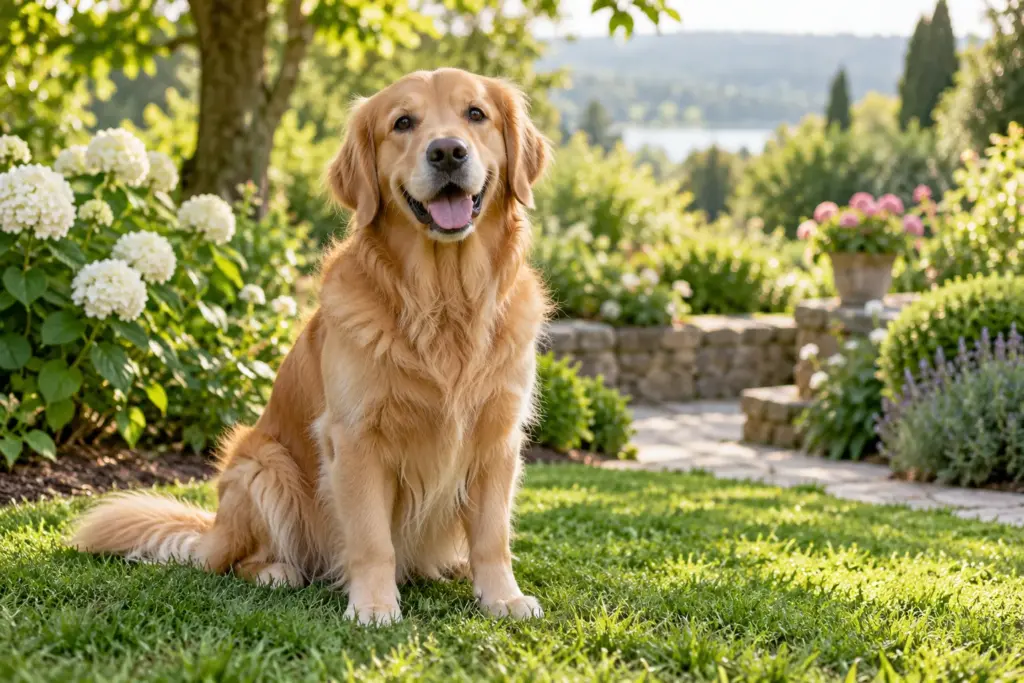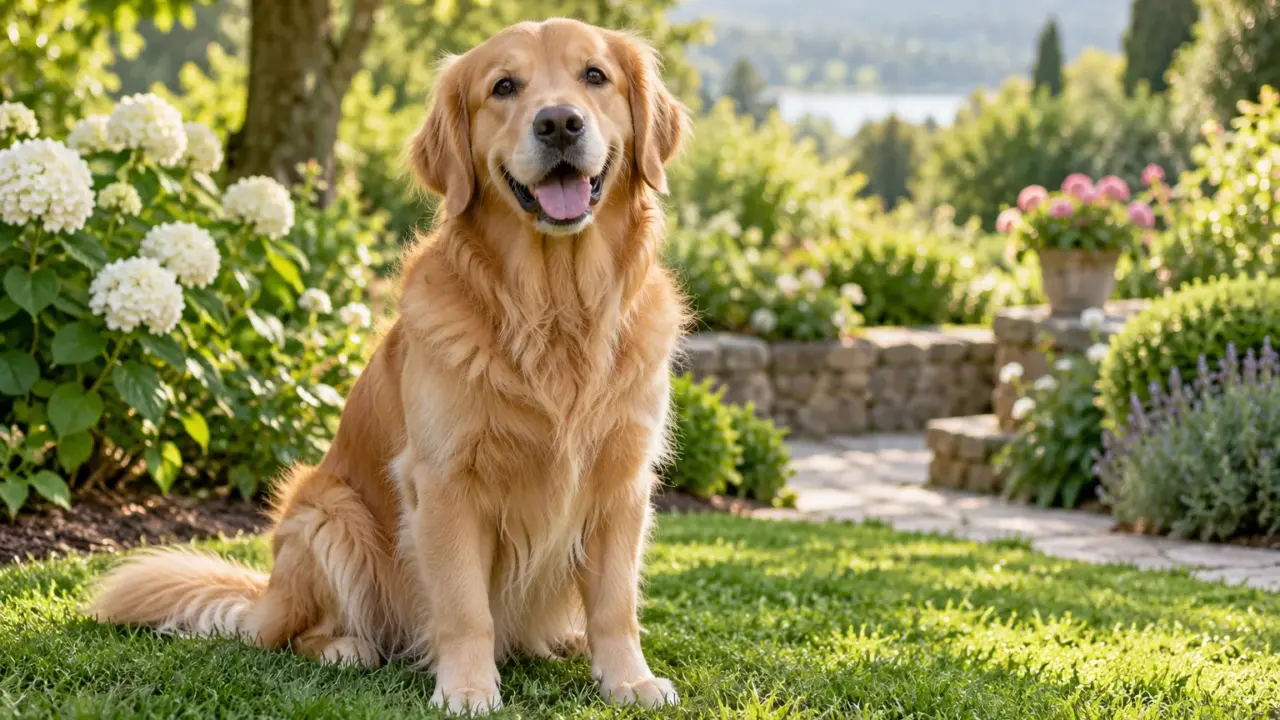
A walk can be more than a line on a distance tracker. The route, surfaces, surroundings and time available all shape the experience. Planning a few calm stopping places can make room to notice what your dog chooses to investigate.
Choose the setting first
Look for a permitted route that suits your dog’s mobility, health and current comfort. Check local lead rules and avoid places where you cannot safely maintain control. Weather and ground conditions matter more than completing a planned circuit.
If your dog needs an individual exercise plan, discuss it with your veterinarian. Do not use a generic walking target as a substitute for that advice.
Build in pauses
Dogs Trust includes time for sniffing and exploration in its guidance on helping dogs cope with their environment. Where it is safe, allow unhurried moments rather than continually pulling the dog onwards.
A pause should still leave you aware of traffic, other animals and anything on the ground. Keep the lead managed so that it does not cross a cycle path or create a trip hazard.
Notice the route as well
Pick two or three landmarks: a quiet verge, a shaded section or a wider place to let others pass. These details can help you choose an easier option on a busier day.
- Which section was comfortable?
- Where did the route become crowded?
- Was there a sensible place to turn back?
- What would you change next time?
Keep any observation notes brief and focus on the actual conditions. A slower walk is not automatically suitable for every dog or setting. The useful habit is adapting the plan to the animal and the situation in front of you.