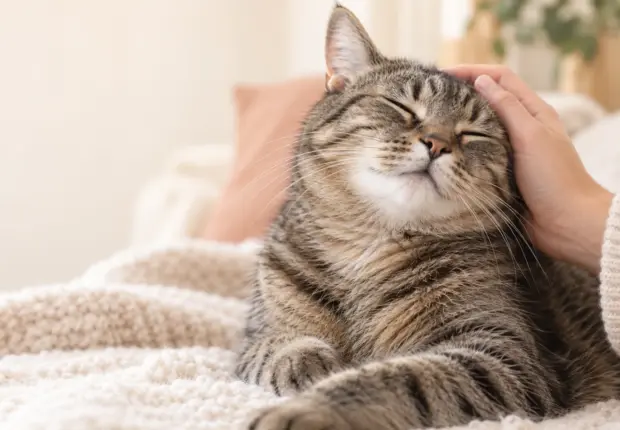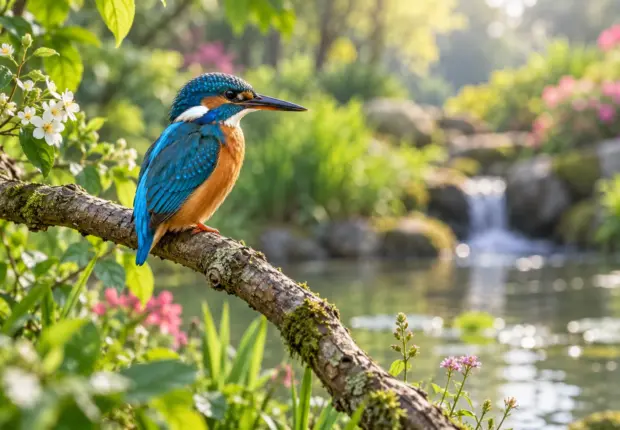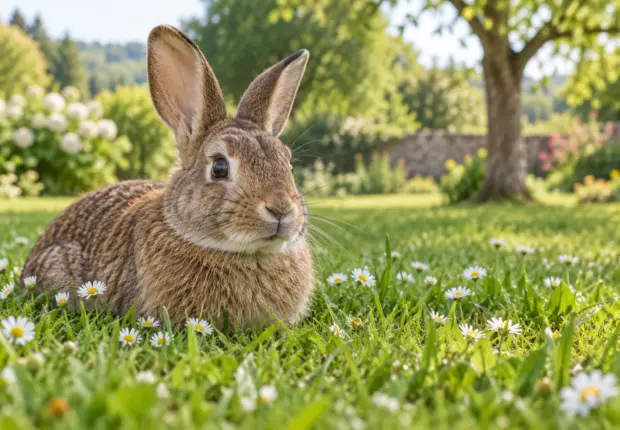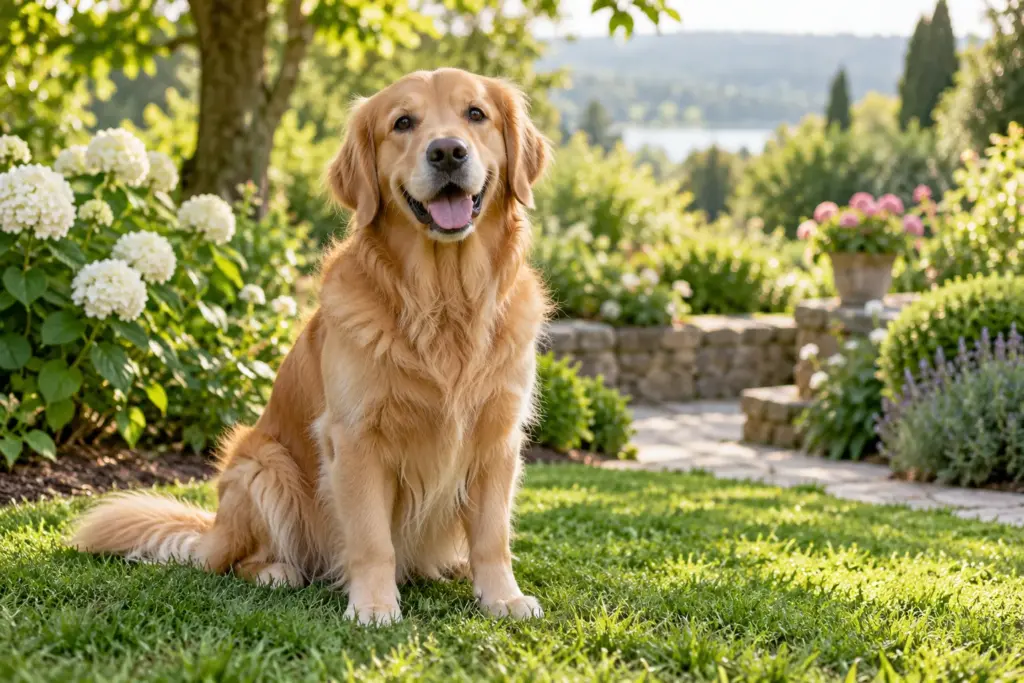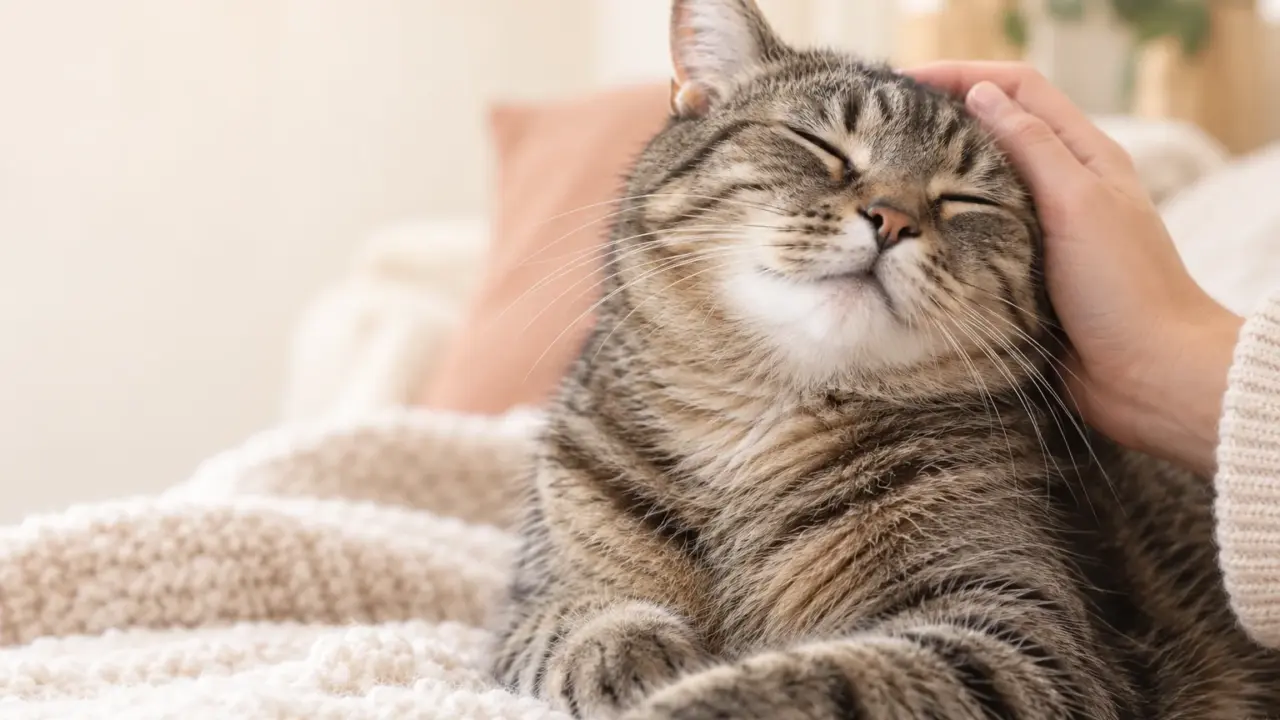
The photograph you remember may be a quiet one: a cat watching the window or resting beside a favourite chair. You can improve these pictures by changing your position and the background, without turning your cat into a reluctant model.
Prepare your camera first
Clean the lens and check the available light before approaching. Set up the phone or camera while your cat is elsewhere, so that you are not adjusting equipment directly over them.
Window light can be a useful starting point. Look at the scene on your screen and avoid including private letters, addresses or other personal information in the background.
Move yourself, not the cat
Try a lower viewpoint from a comfortable distance. Change your angle to simplify the background or leave space in the direction the cat is looking. Take a few frames, then pause.
Do not restrain, dress up or repeatedly reposition an unwilling animal for a photograph. If your cat leaves, let the session end. A picture is optional.
Tell a small, honest story
A wider photograph can show the familiar corner that makes the moment meaningful. A closer image can highlight a paw resting on a blanket or the shape of an ear. Both are valid; neither requires a dramatic expression.
- Check the frame for private details.
- Keep a clear route away.
- Use a short, quiet session.
- Save an accurate caption with the date.
When sharing, distinguish an ordinary photograph from an edited or AI-generated illustration. Do not add a rescue story or emotional claim that you cannot support. The picture can stand on its own as a record of a small moment you enjoyed.