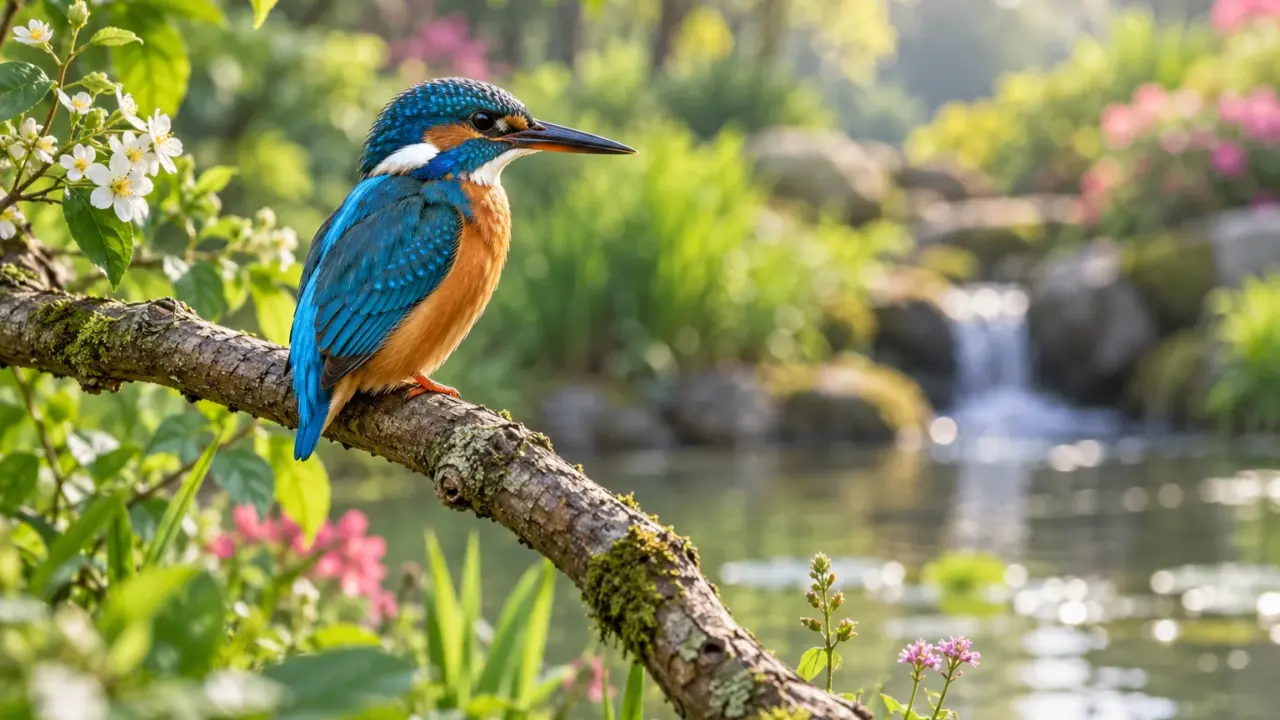
A small map can help you remember observations from a familiar neighbourhood. Marking a tree, a water edge or a patch of open ground gives context to your notes and suggests places you might observe again.
Choose a manageable area
Begin with a route you can follow safely and legally. Sketch the main landmarks or use a private map you are comfortable maintaining. There is no need to cover the whole neighbourhood on the first visit.
Give each stopping point a simple label. Consistent labels make later notes easier to compare without requiring a perfect drawing.
Record visits separately
For each point, note the date, time, approximate time spent watching and what you observed. Record an identification only as confidently as the evidence allows. “Unidentified small bird” is still useful context in a personal notebook.
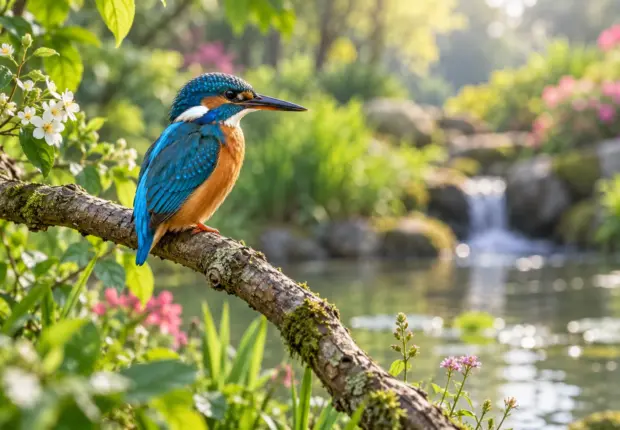
A bird not seen on one visit has not necessarily disappeared from the area. Different timing, weather and viewing conditions can change what you happen to notice.
Use the map to form questions
You might ask whether a certain corner is easier to observe in the morning, or whether a temporary construction barrier has changed your access. Keep these as questions until you have appropriate evidence.
- Labelled observation points.
- Separate notes for each visit.
- Visible habitat features.
- Uncertainties and access restrictions.
Do not publish private addresses or sensitive nest locations. If you decide to contribute records to a formal citizen-science project, follow that project’s own recording rules rather than assuming your personal map provides the required data.
The map’s first job is modest: helping you return thoughtfully and notice the ordinary birds around you with a little more attention.
Keep reading: another guide from our pet journal.