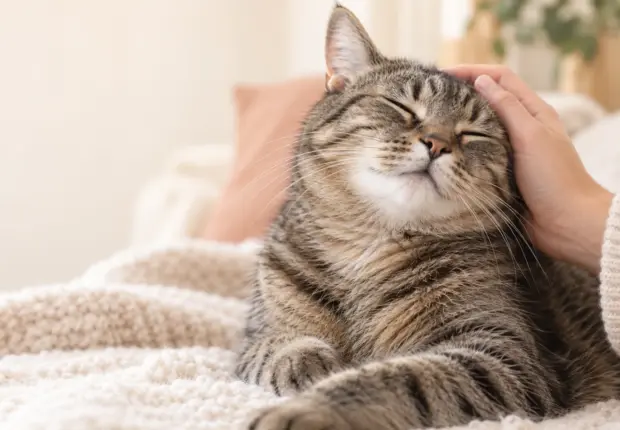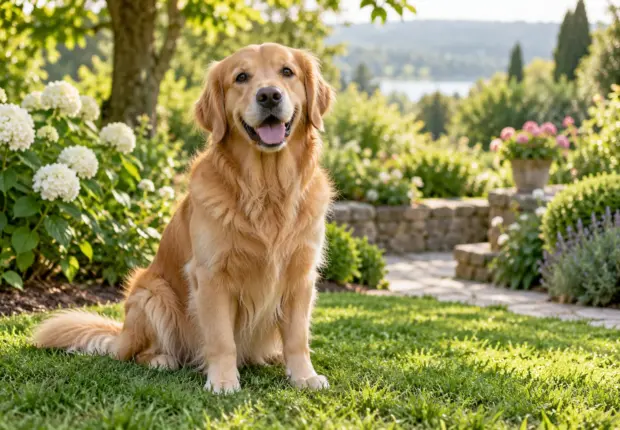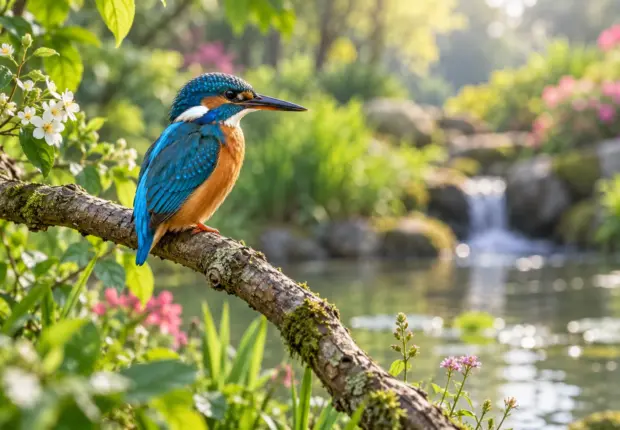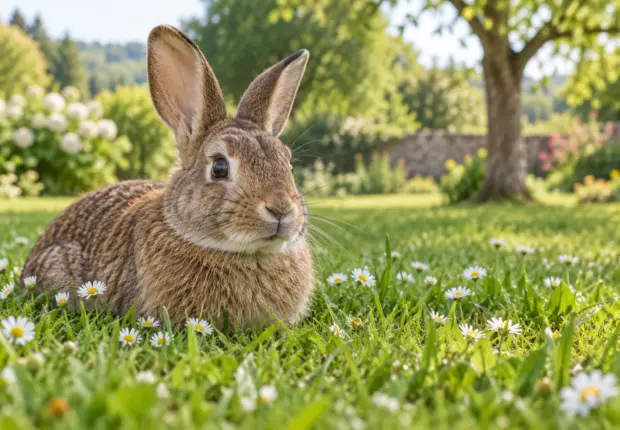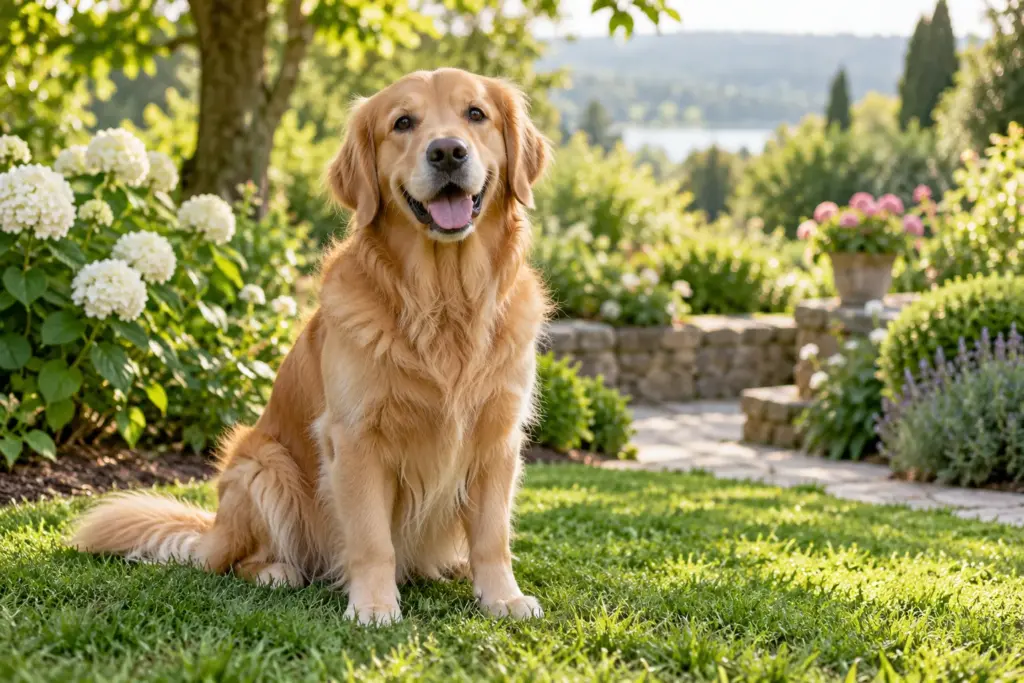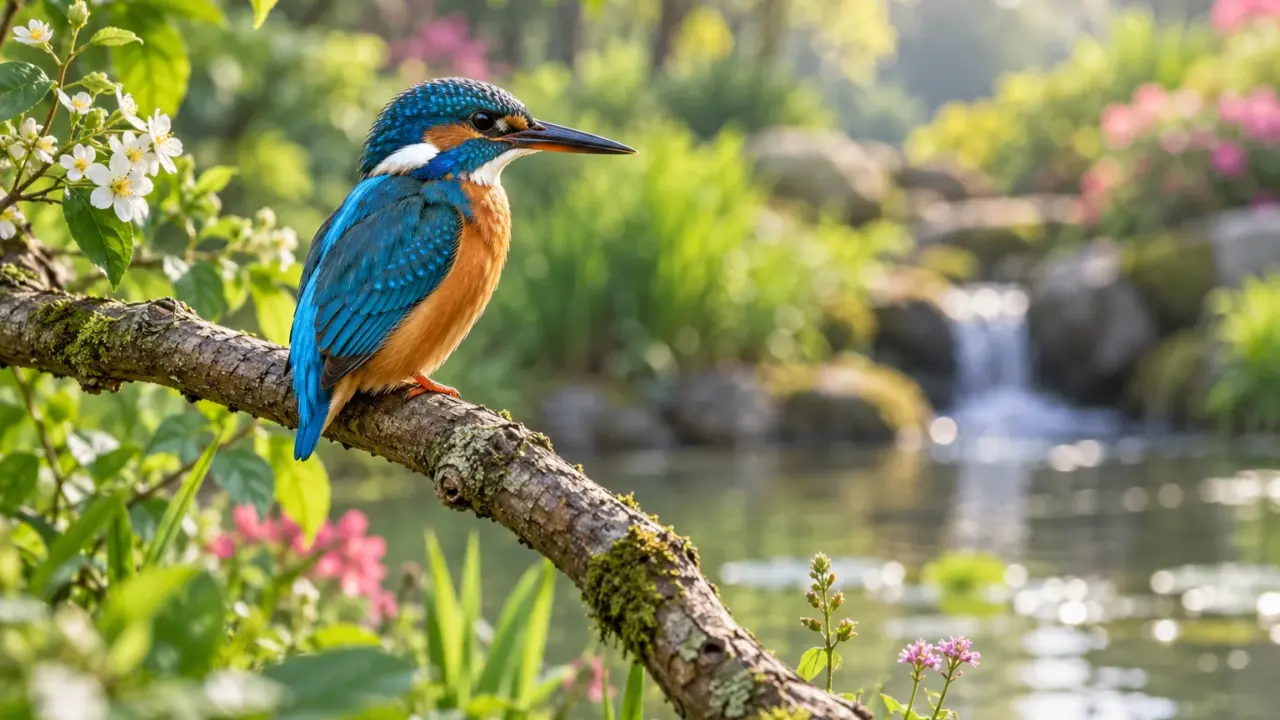
A bird does not have to fill the frame for a photograph to be interesting. Its surroundings can explain where the encounter happened: a branch over water, a patch of grass or a small shape against an open sky.
Work with the view you have
Check the edges of the frame for distracting objects and consider leaving space around the bird. A wider composition can make the location part of the picture, instead of treating distance as a problem to overcome.
Move only where access is permitted and where doing so will not disturb wildlife. Do not trim branches, move cover or step into sensitive areas for a clearer background.
Let behaviour set the limit
Audubon’s guidance emphasises putting birds’ welfare before the photograph. Avoid bait, call playback or any method intended to manufacture a close interaction. Take particular care around nests.
If an animal appears affected by your presence, back away or leave. No camera setting makes an intrusive position acceptable.
Edit the picture honestly
A modest crop may help the composition, but do not present an altered scene as documentary evidence. Keep a note of substantial edits and identify AI-created images clearly when sharing them.
- Use an appropriate permitted viewpoint.
- Leave useful space around the subject.
- Check the background without changing the habitat.
- Describe the scene accurately in the caption.
Precise location details are not always necessary, particularly where sharing them could draw attention to a sensitive animal or site. A photograph can tell a true, engaging story with a broad location and an honest account of how it was made.