Children’s Activity Budgets: Equipment, Transport and Seasonal Fees
Plan a child's complete activity season, including equipment, transport, optional events, confirmed assistance and the timing of payments.
On this page
- Ask what the advertised fee includes
- Include transport and practical attendance costs
- Buy equipment according to need and safety
- Use a fictional complete-season calculation
- Check assistance before subtracting it
- Agree a household limit without making it a judgement
- Review the experience before the next payment
- Related guides
- Common questions
- Sources and references
The advertised fee for a child’s activity may cover only the sessions. Equipment, registration, transport, performances or competitions can change the amount a family actually spends. A useful budget looks at the complete season and gives the child a voice in choosing an activity that fits both their interests and the household’s practical limits.
This guide helps organise costs without treating the most expensive option as the best experience. Official Australian and US guidance was checked on 20 October 2026. Local program examples are clearly identified, and all worked costs are fictional rather than current club prices or benefit amounts.
Ask what the advertised fee includes
Request the number and length of sessions, the season dates and the arrangements for holidays or cancellations. Identify any registration, membership or administration charge separately. An attractive per-session price can hide a larger upfront commitment or compulsory additional purchases.
Ask whether uniforms, equipment, grading, performances or competitions are mandatory, optional or only relevant at a later stage. Request the expected timing as well as the amount. “Optional” spending should not be included as an unavoidable fee, but families may still want to plan for it deliberately.
Check refund and withdrawal conditions before paying, particularly if the child has not tried the activity. A taster session or short introductory arrangement may help establish interest, but do not assume every provider offers one or that a trial guarantees a place in the next term.
Include transport and practical attendance costs
Count the journeys the household will actually make, including drop-off and collection where these are separate trips. Use the relevant fares, fuel or parking costs without pretending a journey is free simply because the car is already owned.
Keep cash costs distinct from time and convenience. A nearby activity may be easier to sustain even when its session fee is slightly higher. A long journey can also affect meals, work schedules or other children, so discuss the arrangement before committing to a full season.
If several families share transport, agree the practical and safeguarding arrangements directly with the responsible adults. Do not assume a promised lift will always be available. Include a realistic alternative when access depends on a single arrangement that may change.
| Cost area | Questions for the provider or household | Budget treatment |
|---|---|---|
| Sessions and registration | What is included and when is payment due? | Record the upfront commitment |
| Equipment and clothing | What is essential, suitable and already available? | Separate new purchases from reusable items |
| Travel | How many actual journeys and parking payments? | Multiply by the expected attendance pattern |
| Events and extras | Which costs are required and which are choices? | Agree a separate optional allowance |
Buy equipment according to need and safety
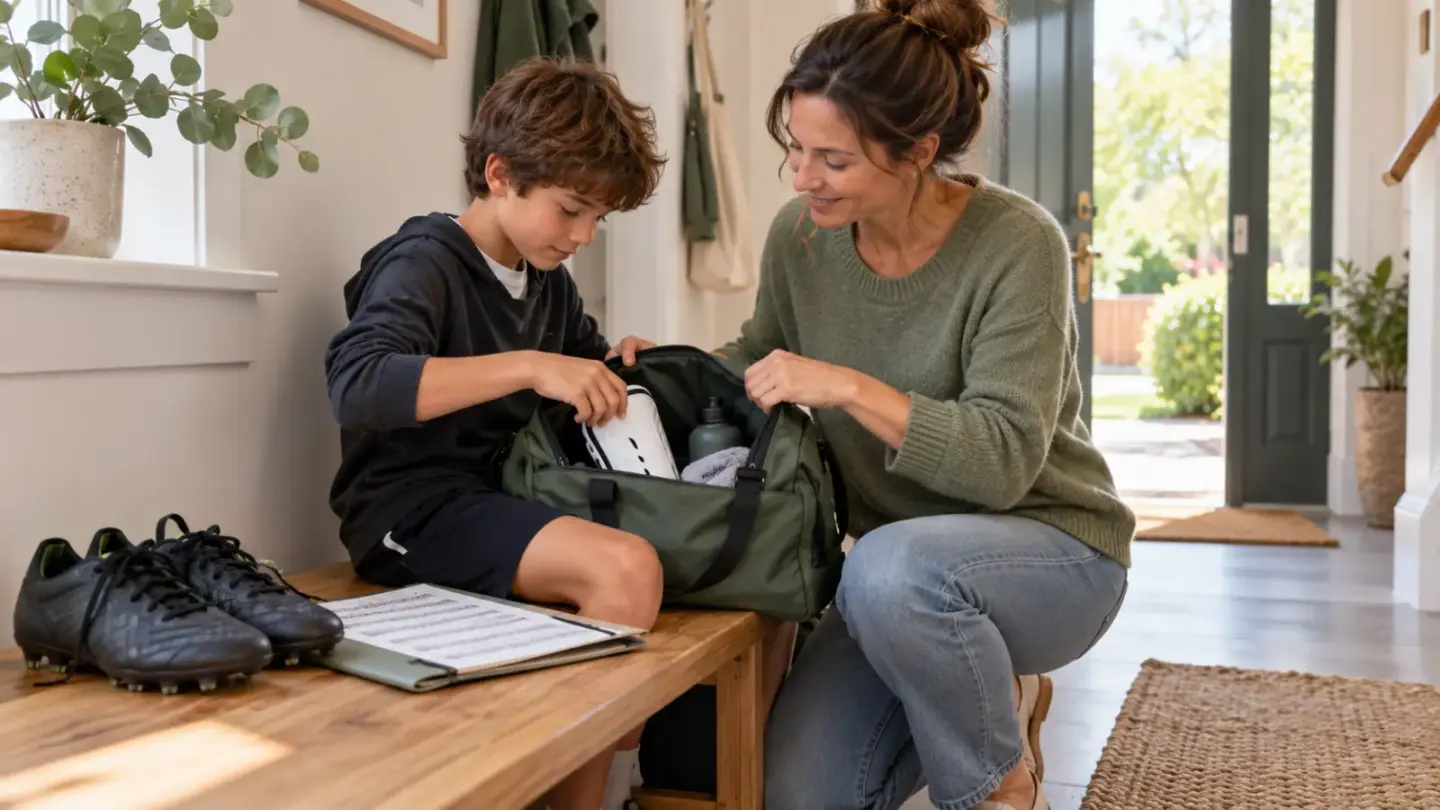
Ask the instructor what is necessary at the beginner stage and whether suitable loan equipment exists. Avoid buying an advanced kit simply because it appears in promotional photographs. Check sizing, condition and the rules for using personal equipment at the activity.
Borrowing or buying used non-protective items can be practical when they are suitable and in good condition. Protective equipment needs a more careful assessment. A low price is not enough if the product is wrong for the activity, does not fit or has an unknown impact history.
The US Consumer Product Safety Commission explains that helmet type, applicable standards, proper fit and correct use matter. Its guidance also distinguishes replacement needs after impacts. Follow the relevant manufacturer’s instructions and activity requirements rather than assuming every helmet can be shared, reused indefinitely or judged only by its appearance.
Use a fictional complete-season calculation
Imagine one twelve-week activity season with a session fee of 240, essential equipment costing 80 and registration of 30. Travel costs 6 per week, so twelve weeks adds 72. The family chooses to allow another 40 for an optional event.
The planned total is 240 plus 80 plus 30 plus 72 plus 40, or 462. This is a budget for the stated season, not a universal annual cost. Repeating the activity, replacing equipment or attending additional events would require another calculation.
If the family saves for six months before the season, 462 divided by six is 77 per month. That saving schedule is different from the provider’s payment schedule. The club might still require most fees upfront, and the household needs enough available by the actual due date.
- Sessions: 240; equipment: 80; registration: 30.
- Travel: 12 weeks × 6 = 72.
- Chosen optional event allowance: 40.
- Total: 462; six-month saving target: 77 per month.
Check assistance before subtracting it
Some clubs, councils or public programs offer help, but availability and eligibility differ. Ask what evidence is needed, which providers or activities qualify and when an application or voucher must be used. Do not treat a possible award as cash already available.
New South Wales’ Active and Creative Kids program is one location-specific example. Its official application guidance describes eligibility and use with registered providers. Check the current conditions for the particular child and provider rather than assuming every Australian family or every purchase qualifies.
For the fictional 462 budget, a separately confirmed contribution of 50 toward eligible costs would reduce the family’s planned share to 412. The 50 is invented and is not the value of a NSW voucher. Record exactly which charge the real assistance covers and what remains payable.
Agree a household limit without making it a judgement
MoneySmart’s budgeting guidance recommends recording spending, including less frequent expenses, and setting realistic priorities. Apply that approach to the whole family budget before accepting a recurring activity commitment. Keeping essential bills affordable is a practical boundary, not a judgement about a child’s talent.
Discuss choices in age-appropriate language. The child may prefer a lower-cost nearby activity, fewer sessions or a different season. Avoid promising an indefinite commitment before you understand whether the routine and expense are sustainable for everyone involved.
Paid lessons are not the only way to be active or develop interests. CDC guidance includes varied, enjoyable and age-appropriate opportunities for children to move. Informal play and suitable community options can complement organised activities, although access and supervision still need consideration.
- Check the child’s interest and the actual attendance routine.
- Price required costs and choose optional spending explicitly.
- Confirm assistance and safe, suitable equipment.
- Agree an affordable season and review before renewing.
Review the experience before the next payment
Keep a short record of actual fees, travel and equipment spending through the season. Ask whether the child enjoys participating and whether the schedule works. A cost estimate becomes more useful when updated with real experience rather than automatically repeated.
Before renewing, check any changed fees, requirements or class level. Separate reusable equipment from purchases that will genuinely be needed again. Do not assume a first season’s total applies unchanged to a longer season, a different group or a competition program.
Use the monthly budget tool to plan the household’s share and the savings growth calculator only for stated saving assumptions. Our editorial policy explains how examples and sources are presented. Neither tool can verify a child’s program eligibility or assess protective equipment.
Related guides
Continue with Home Exercise vs Gym Membership: Building a Realistic Equipment Budget and Planning Family Days Out: Transport, Food and Activity Costs. Each guide identifies its scope and any country-specific rules.
Common questions
Is the session fee usually the complete cost?
It may not be. Ask about registration, equipment, transport and required events, then distinguish compulsory charges from optional choices before comparing the full season.
Should I buy all the equipment before the first lesson?
Ask the provider what beginners actually need and whether suitable loan items are available. Check sizing, safety and return conditions before making unnecessary purchases.
Is used protective equipment always a sensible saving?
No. Suitability, fit, condition and impact history matter. Follow the relevant safety guidance and manufacturer instructions rather than judging protective equipment by price or appearance alone.
How should I budget transport for weekly sessions?
Count the actual journeys, fares and parking needed for the attendance pattern. Include separate drop-off and collection travel where relevant, rather than assuming one journey covers everything.
Does the example total represent a whole year?
No. The 462 total covers one fictional twelve-week season with stated extras. Additional seasons or changed equipment needs require their own calculation and payment schedule.
Is the example assistance amount an actual voucher value?
No. The 50 contribution is fictional arithmetic. Check the current official program rules, your eligibility and the specific provider before counting any real assistance.
Can I subtract a voucher before it is approved?
A possible award should remain separate from confirmed funding. Check eligibility, provider acceptance, eligible charges and expiry, and plan what happens if assistance is unavailable.
Are expensive organised activities necessary for being active?
No. Suitable informal play and community opportunities can also support activity. Consider enjoyment, accessibility and supervision without treating a higher fee as proof of a better experience.
What if my child wants to stop mid-season?
Discuss the reason and check the provider’s withdrawal or refund conditions. Future choices can change even if an existing payment is not refundable under the agreement.
When should the family review the budget?
Review actual costs during the season and before the next commitment. Check changed fees, equipment needs, enjoyment and household affordability rather than renewing automatically.