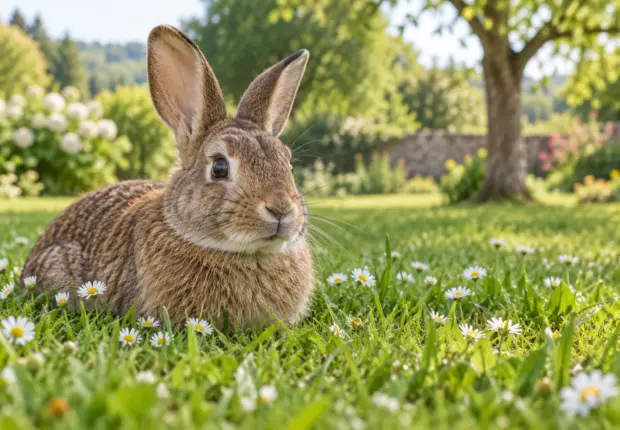
It is tempting to give every rabbit movement a single meaning. A more useful habit is to describe the action, the surroundings and what happened next. That makes your notes clearer and leaves room for the individual animal and the context.
Write the whole scene
Record the date, time and setting. Was the room quiet? Had food just been replenished? Was another animal or person nearby? Then describe the behaviour in ordinary language without assigning an emotion immediately.
For example, “moved into the hide when the door opened” records a sequence. It does not prove why the rabbit moved or establish a diagnosis.
Learn the individual routine
The RSPCA emphasises that rabbits are individuals and that changes in behaviour can be important. Compare observations with the rabbit’s own usual pattern rather than with a short online video of another animal.
Do not provoke an action to see whether it happens again. Quiet observation is more respectful than staging a test that may cause distress.
Use notes to ask better questions
- What exactly changed?
- When did you first notice it?
- How often has it happened?
- Were there other changes in routine or health?
Share concerning observations with a veterinarian promptly, particularly when they accompany changes in eating, droppings or activity. A short, safely obtained video may help if the practice asks for one.
A notebook cannot replace examination or qualified behaviour advice. Its strength is modest but useful: preserving details so that the next conversation begins with a clearer account of what you actually saw.