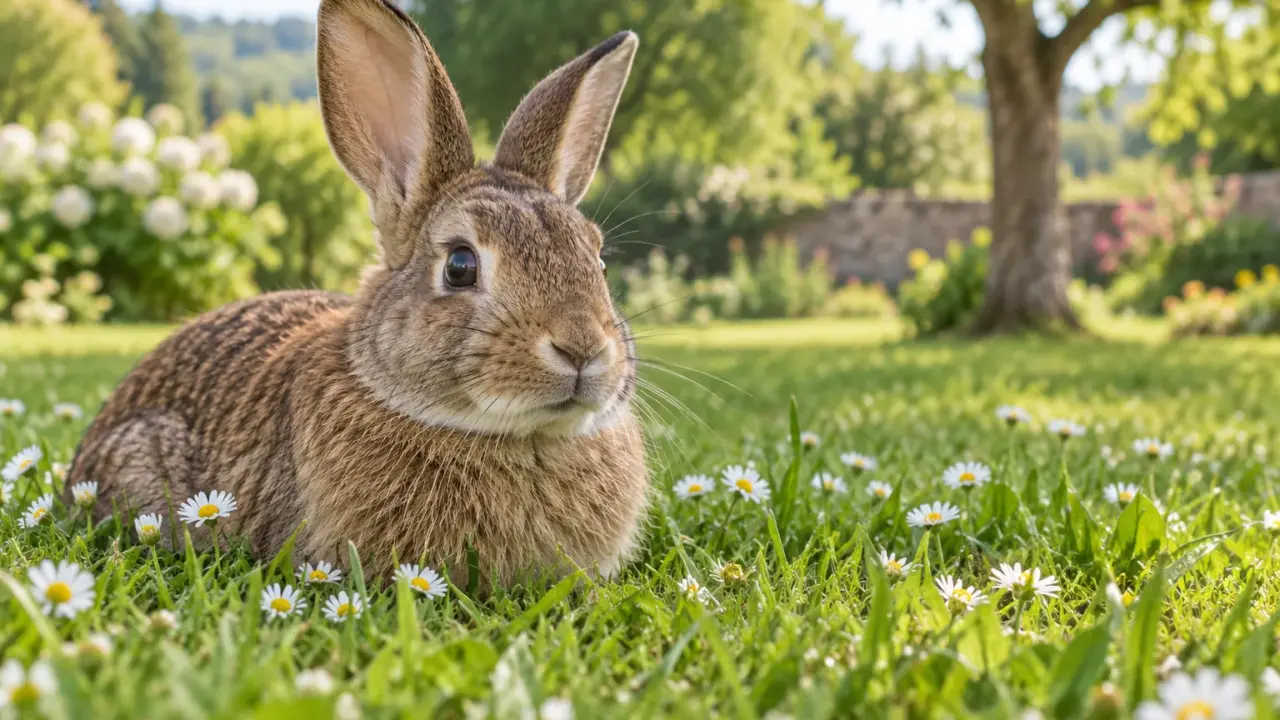
A rabbit’s home is more than a place to sleep. It should make room for movement, curiosity and the everyday behaviours that matter to rabbits. Before choosing toys, take a look at the space they will use.
Start with the whole environment
The RSPCA recommends a connected living and exercise area with room to move freely. Enrichment should add interest without filling every available space. Keep clear routes between food, water, shelter and resting areas.
Sketch your current setup on paper. Mark the places where your rabbits spend time and any awkward corners or obstacles. This can make a practical improvement easier to spot.
Offer safe ways to explore
Hiding places, tunnels and suitable digging areas can support natural behaviour. The RSPCA suggests rabbit-safe materials and simple food-search activities. Supervise new items and remove anything damaged or unsafe.
Choose one change at a time and observe how it is used. A toy that looks appealing to us may be less interesting than an ordinary hiding place with a clear exit.
Keep food and companionship in mind
Good-quality hay or grass should make up most of a rabbit’s diet, with fresh water always available. Rabbits also need appropriate companionship; ask a rabbit-experienced vet or rescue about safe bonding and suitable housing.
If a rabbit’s eating, activity or droppings change, seek veterinary advice promptly. Enrichment is everyday care, not a treatment for illness.