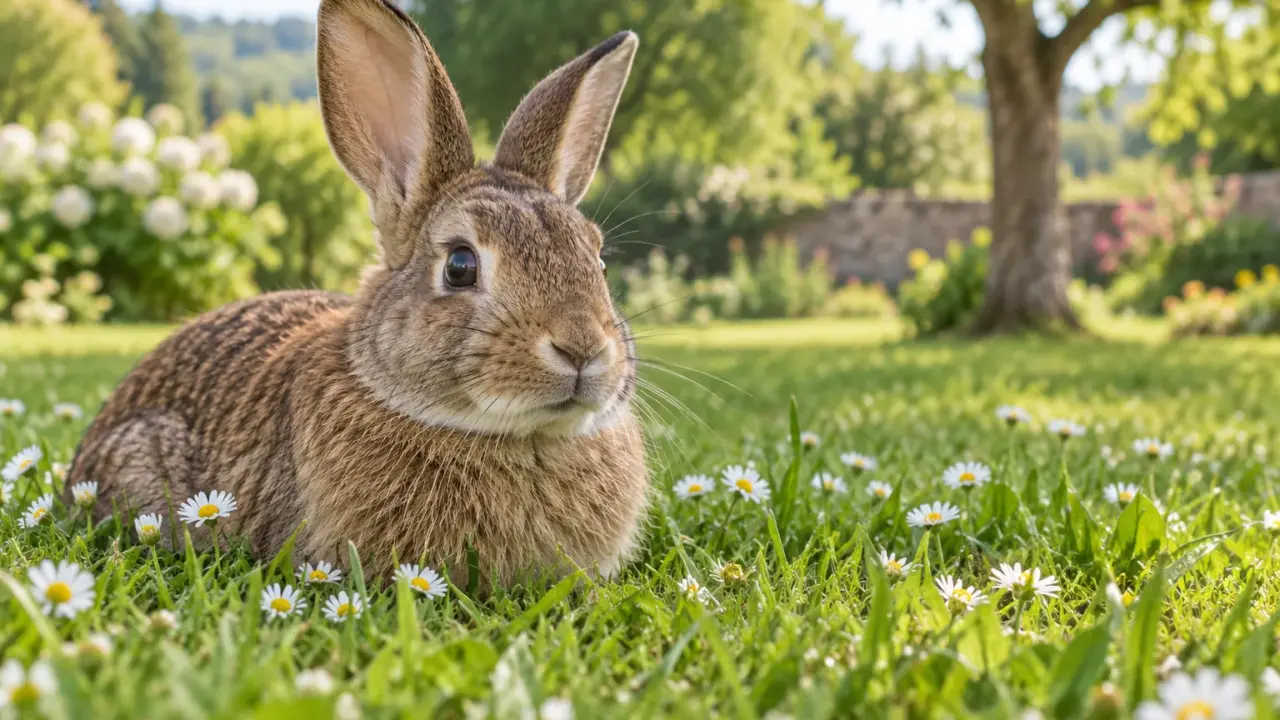
Time with rabbits does not have to revolve around picking them up. Sitting quietly nearby can give you a chance to notice how they use their space and what they choose to do when nobody is asking for an interaction.
Prepare a suitable place
Use a secure, rabbit-safe area that already meets their needs. Check the floor, nearby objects and routes into hiding places before settling down. Your presence should not block access to food, water or the rabbits’ usual retreat.
Keep the session simple. Put away a ringing phone or loose belongings that could be chewed, and arrange yourself comfortably so you do not need to keep moving furniture.
Allow choice
The RSPCA advises learning the behaviour of the individual rabbit and avoiding frightening handling. Do not chase a rabbit for contact or turn it onto its back to make it remain still.
Let the rabbits decide whether to approach. Quietly observing from a distance is still time spent with them. Children should be supervised and shown how to leave an animal undisturbed.
Notice ordinary details
- Which route do the rabbits use?
- Where do they pause or rest?
- Do they investigate an object or leave it alone?
- Can they move away without squeezing past you?
Write down observations in plain language afterwards. Avoid turning a single movement into a confident claim about an emotion or medical condition.
If behaviour changes unexpectedly or a rabbit appears unwell, speak to a rabbit-experienced veterinarian promptly. Familiarity with normal routines is useful, but it does not replace professional assessment. The aim of quiet time is respectful companionship, with the animal retaining room to choose.