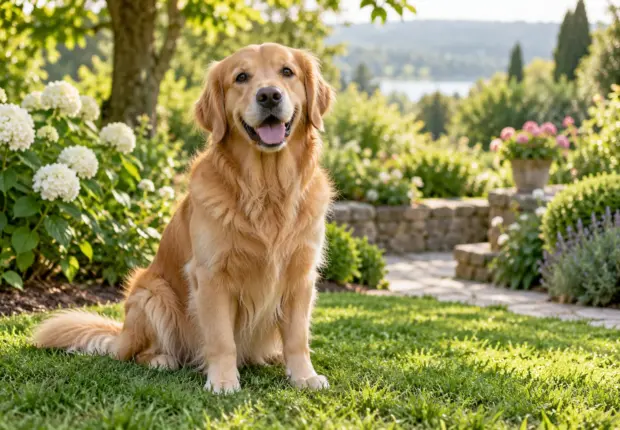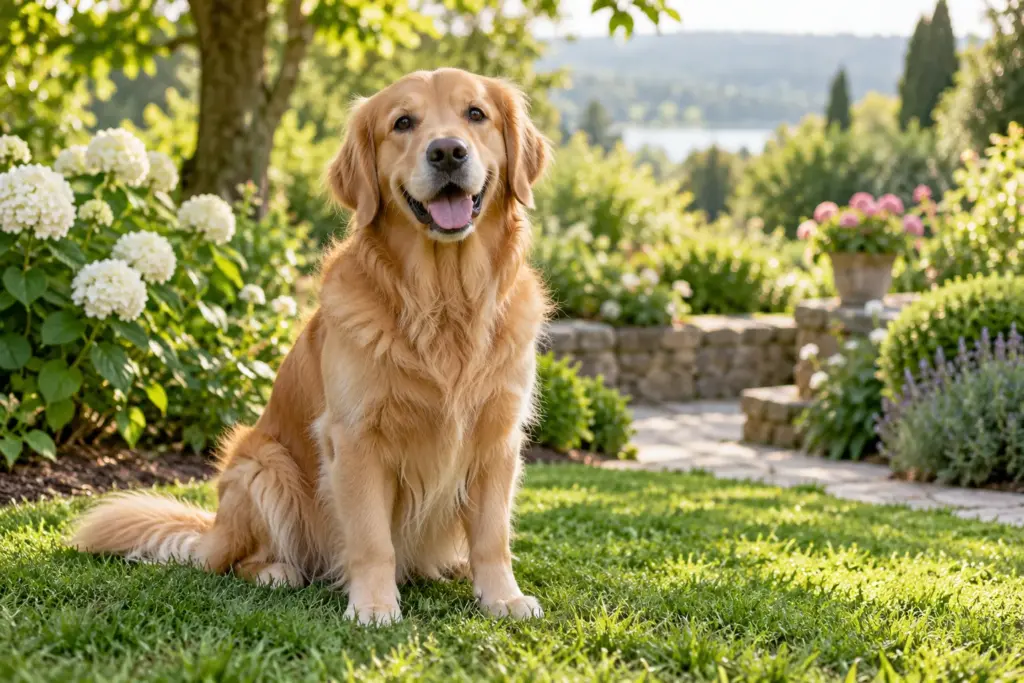
A training session becomes easier to follow when you know exactly what you are asking for. Before beginning, write down one small behaviour you want to practise and choose a quiet situation in which your dog can comfortably take part.
Decide what success looks like
“Be good” is too broad to practise. A specific action, such as responding to a familiar cue in a quiet room, gives you something you can recognise and reward.
Dogs Trust explains reward-based training as reinforcing behaviour you would like the dog to repeat. Rewards should be something the individual dog values; food is one option, alongside suitable play or other enjoyable activities.
Keep the setup simple
Have suitable rewards ready before you begin. Work in a space with few competing distractions and keep the task within your dog’s current ability. If you use food, account for it within the dog’s appropriate daily intake and any dietary restrictions.
Give everyone involved the same short description of the exercise. Changing cues or expectations between people makes your own records difficult to interpret.
Finish with a useful note
- Which skill did you practise?
- Where did the session take place?
- What reward did you use?
- Was the task comfortable at this level?
Stop before either of you becomes frustrated. If the exercise is proving difficult, simplify the setting or ask a qualified reward-based trainer for help. Avoid punishment, intimidation or tools intended to cause pain.
A single session does not establish a skill in every situation. Treat your notes as a way to plan the next small step, rather than as a pass-or-fail judgement about the dog.