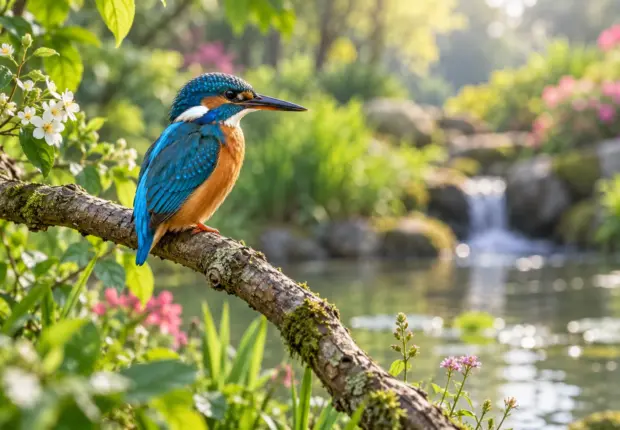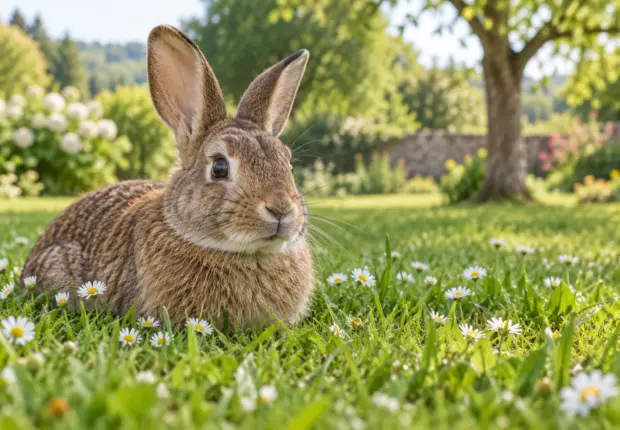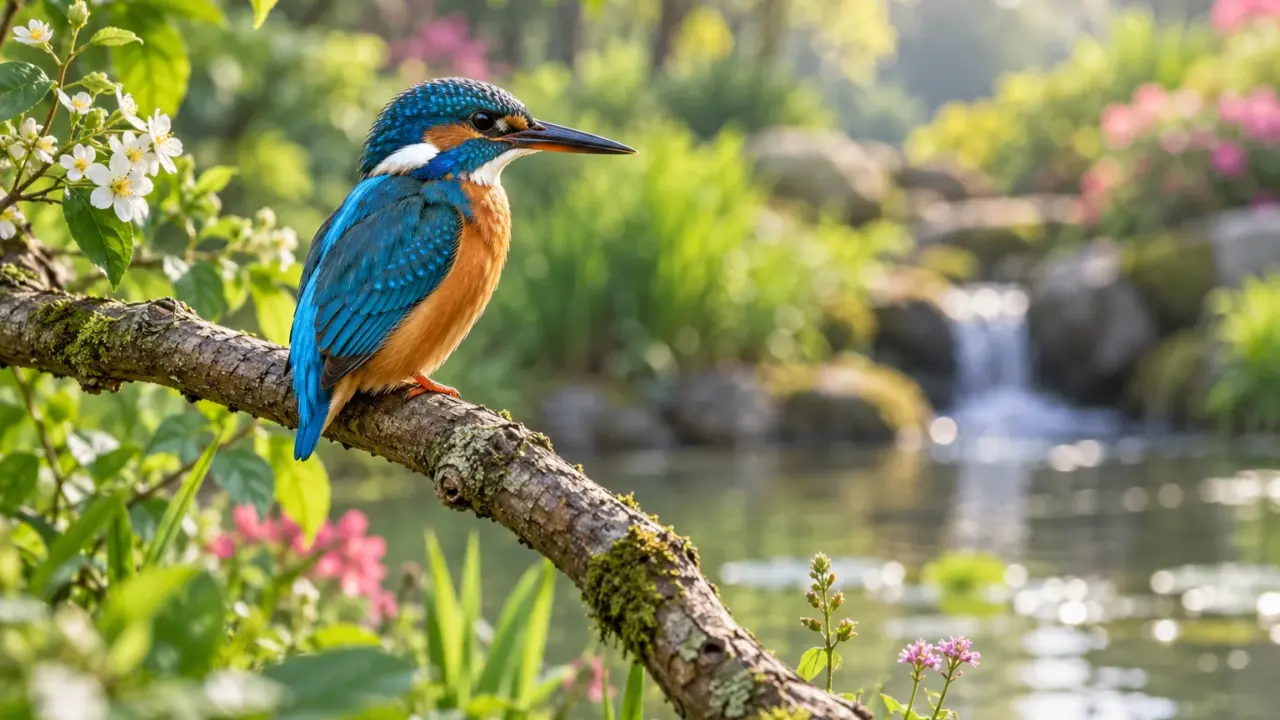
You can walk the same route many times and still find something new. A different sound, a change in the light or a leaf you had not noticed before can make a familiar place feel interesting again.
Choose one thing to notice
Instead of trying to identify everything, pick a small theme: shapes of leaves, sounds, colours or patterns. Make a mental note of three things you see. If you like, write them down when you get home.
This is an observation exercise, not a competition. There is no minimum distance and no requirement to find something unusual.
Leave wildlife undisturbed
Watch from a respectful distance, stay on permitted routes and leave plants, nests and animals where they are. Follow the rules of the place you are visiting. If you have a dog with you, keep them under appropriate control and respect local lead requirements.
Do not approach an animal just to improve a photograph. A distant view or a written note can be enough.
Compare the familiar
Return to the same viewpoint another day. Notice what has changed and what has stayed the same. Over time, the notes may become a small record of a season.
If you want to identify a plant or animal, use a trusted regional guide. Leave uncertain observations marked as uncertain, especially when identification could affect safety.
Bring curiosity home
Choose one question from your walk to explore later. It might concern a bird’s call, the shape of a seed or when a familiar tree flowers. A simple question is often the beginning of a good story.